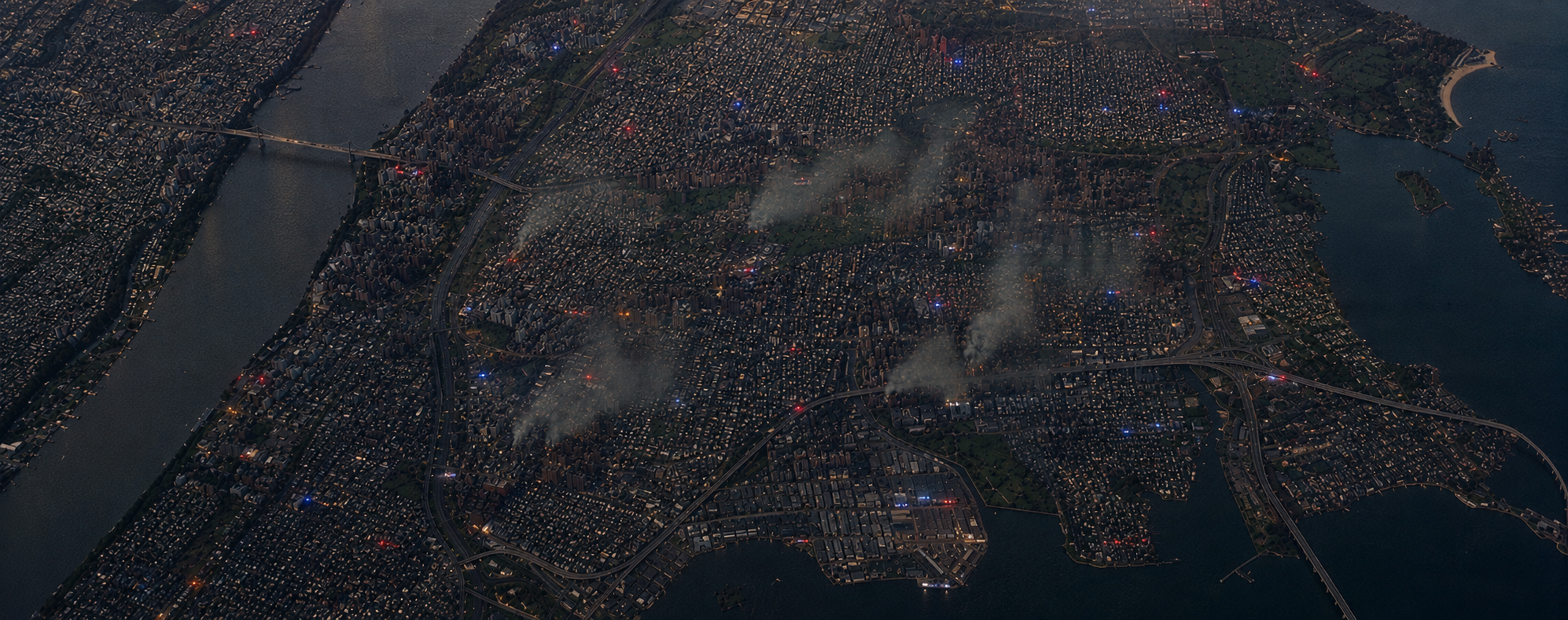
WELCOME TO CRESTON

Running along the western edge of St. James Park in the Bronx, Creston became home to generations of working class families, immigrants, hustlers, children, musicians and people building lives inside one of NYC’s most culturally important Avenues.

Puerto Rican New York was already deeply established. Salsa had become the soundtrack of the city. Hip hop had emerged from the Bronx. By the 1990s, another generation was mixing Puerto Rican music, hip hop, dancehall, New Jack Swing, freestyle and the early sounds that would eventually become internationally known as reggaeton.

Creston existed inside that transformation.

193RD & CRESTON

For the people who lived there, the history was not happening in museums.
It happened outside.

Creston Avenue and St. James Park created a small world within the Bronx.

THE SOUND OF THE BLOCK

The soundtrack changed with the generations.

Salsa, Hip hop, New Jack Swing, freestyle, R&B and dancehall moved through New York during the late 1980s and 1990s.

Puerto Rico and New York began their musical Collab

Reggaeton

Long before Daddy Yankee and Nicky Jam became international stars, their story crossed Creston Avenue.

Then there was Mango Piña.

What began as the name attached to any marijuana strain, has since became inseparable from the mythology surrounding Creston Avenue.

Julito describes sustaining an operation that moved enormous quantities of Mango Piña through the neighborhood.

Creston Ave had a reputation.

Eventually that reputation attracted another audience.
Law enforcement.